Ingredient
Maca in SugarReset: First in the Blend, Studied for Other Things
Maca is a Peruvian root and the first of 22 names in the SugarReset blend, so it could weigh the most, but the label prints no amount. Research covers stamina, fertility, desire and mood. No source we read tested maca for glucose, and the sales page features it anyway.
Written by the SugarReset label deskUpdated
What it is01
What is maca?
Maca, Lepidium meyenii, is a root vegetable grown in the high Andes of Peru, related to radish and turnip.
It has been eaten there for centuries, as a food and as a traditional tonic. Dried root powder, extracts and gelatinized flours are sold abroad. Memorial Sloan Kettering lists its purported uses as stamina, fertility, libido and menopause symptoms, and notes that only a few small human studies exist, with reviews rating the evidence as limited (MSK, Maca).
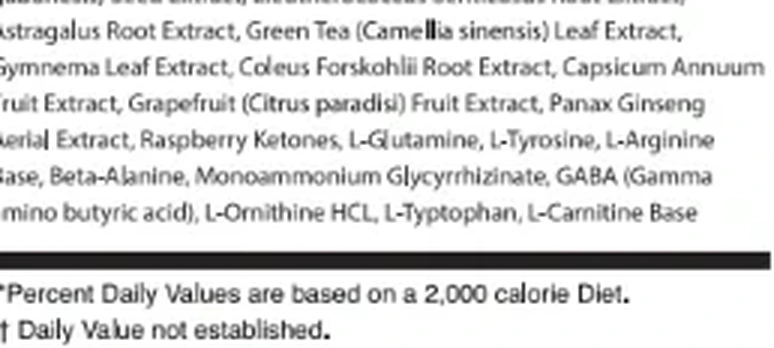
On the SugarReset label it is the first name in the blend, written as maca (Lepidium meyenii) root extract.
How much02
How much maca could the blend hold?
As the first name it could hold the largest share of the 200 mg, but the label prints no amount, so we cannot say.
| Fact | Value |
|---|---|
| Position | 1st of 22 names |
| Blend total | 200 mg per 1 ml serving |
| Lowest possible share | About 9 mg (200 divided by 22) if the list runs heaviest to lightest |
| Highest possible share | Close to the whole 200 mg |
| Amount on the label | None printed |
That wide range is the point: a first-place name may be 9 mg or 150 mg, and the label does not narrow it. Only a certificate of analysis from the seller could.
Research03
What does research on maca cover?
Almost all of it concerns desire, fertility, energy and menopause symptoms, not glucose.
The MSK summary lists only a few small human trials and calls the evidence limited (MSK, Maca). We found no source that tested maca for glucose, A1C or diabetes. The sales page lists maca among six ingredients and does not give a reason for its place. The honest reading is that maca is in the blend for a traditional reason rather than a tested one, and that the label gives no amount to compare with any study.
That does not make maca harmful. It means the research does not support using it for the sales-page claims about glucose or metabolism, and we do not repeat those claims.
Cautions04
What are the cautions with maca?
Reported effects include altered menstrual cycles, moodiness and trouble sleeping, and maca may interfere with some hormone tests.
MSK notes subjective reports of changed menstrual cycles, mood changes and insomnia, and that maca enhanced the blood-pressure-lowering effect of a drug in an animal study (MSK, Maca). People who are pregnant or nursing, or who have a hormone-sensitive condition, should ask a clinician first. If you have a lab test for hormones coming up, mention every supplement.
People with thyroid disease or a hormone-sensitive condition should ask a clinician before using a blend with maca.
The label says pregnant or nursing mothers, children under 18 and people with a known medical condition should consult a physician.
Food form05
Is maca as a food different from maca in a blend?
Yes. Eaten as a root or flour, maca comes in grams. A blend uses an extract in milligrams, so the two are not the same.
People in Peru eat maca in amounts of tens of grams as a food. A supplement extract concentrates some compounds, so even a small weight can act differently from the food. That is why the studies matter, and why a label that prints no amount is hard to judge. Do not assume that a long history of eating the root means a blend is safe for you.
Quality matters too. Roots grown in polluted soil can carry heavy metals, and an independent test is the way to check a bottle. See testing and quality.
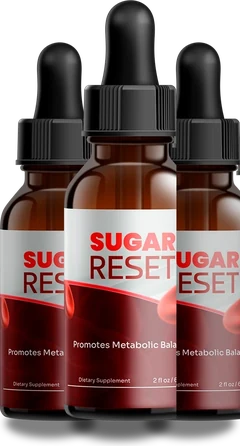
SugarReset: 60 ml dropper bottle, 60 servingsPacks of 2, 3 or 6 bottles · live total shown at checkout · 60-day guarantee per the sales page
See packsWhy it is there06
Why would a glucose-themed product include maca?
The label does not say, and neither does the sales page. We can offer possible reasons, but they are guesses.
Blends of this type often borrow names from several traditions to make a formula sound broad. Maca is known to buyers as an energy root, and energy and metabolism are close in sales language. A maker may also choose it for taste or for cost. None of these reasons is a tested role, and the seller has not published one.
A fair buyer question is: for which of the six sales-page phrases does maca have evidence? The answer from the sources we read is none for glucose and little for anything else. That does not make it harmful, and it does not make it useful for the reasons the page gives.
Compared07
How does maca compare with the other featured names?
Maca has the least glucose research of the six, and the first place in the list.
| Name | Place | Glucose research in the sources we read |
|---|---|---|
| Maca | 1 | None found |
| African mango | 4 | A few animal and small human studies |
| Green tea | 7 | No source tested the extract for glucose here |
| Gymnema | 8 | Reviews of small trials in type 2 diabetes (Devangan et al. 2021) |
| Panax ginseng | 12 | A review of 16 trials (Shishtar et al. 2014) |
| Chromium | Own line | A review of 28 trials in type 2 diabetes (Asbaghi et al. 2020) |
The pattern is notable. The name placed first, which probably weighs the most, has the least research for the stated theme. That is a reason to ask the seller why the formula is built this way.
Questions08
What should you ask the seller?
Four questions turn a vague label into something you can check.
- What is the amount of maca extract per serving, in mg?
- What is the extract ratio and the part of the plant used?
- Is there a lab report for heavy metals and microbes?
- How many ml does a full dropper hold?
Contacts for the order desk are on the contact page. Keep the replies with your order ID.
Our reading09
What does this mean for SugarReset?
Maca is a traditional food root with limited research on other topics, and no tested role for glucose.
- First of 22 names, amount not printed.
- Research covers desire, fertility and mood, not glucose.
- Ask first if pregnant, nursing, or on hormone-sensitive care.
- No study tested SugarReset.
Read about Panax ginseng next, or return to ingredients.
If you decide to ask a pharmacist about Maca, bring the label photo and say that it is listed first in the blend with no amount printed. That single detail helps the pharmacist judge how much attention the name deserves in your case.
FAQ10
SugarReset questions people ask
How much maca is in SugarReset?
The label does not print it. It is first of 22 names in a 200 mg blend.
Is maca studied for glucose?
We found no source that tested it for glucose or diabetes.
Is maca safe in pregnancy?
The label says pregnant or nursing mothers should consult a physician.
Does maca affect hormones?
Some reports mention changed cycles and mood, and it may affect hormone tests. Ask a clinician.
Who wrote this11
Written and reviewed by
Pages built from the label images, seller information and linked NIH, FDA, CDC, FTC and peer-reviewed sources.
Last updated . Read our editorial standards and how we check reviews. This website is the information site for a U.S. authorized retailer of SugarReset. It is not the manufacturer or the distributor named on the label. We earn money when you buy through our order links.
Keep reading
More about SugarReset
USA Authorized SugarReset Retailer
Ready to look at SugarReset?
Check your medicines first, especially any diabetes medicine, read the directions on the bottle that arrives, then pick a pack of 2, 3 or 6 bottles. The checkout shows the live total, shipping and the guarantee terms.
- Checkout runs on the seller's sales site
- 60-day guarantee, per the sales page
- Ships from the U.S.