Guide
A1C and Blood Sugar Numbers: What the Tests Mean
The A1C blood test shows average glucose over about the past three months, as a percent. Below 5.7 percent is normal, 5.7 to 6.4 percent is prediabetes and 6.5 percent or higher is diabetes, with a second test to confirm. A meter shows glucose at one moment. Your care team sets your own targets.
Written by the SugarReset label deskUpdated
The A1C01
What is the A1C test?
A blood test that shows your average glucose over the past two to three months. You do not need to fast for it.
Glucose sticks to hemoglobin, a protein in red blood cells. The more glucose in your blood, the more sticks, and the higher the A1C. Because red cells live about three months, the number reflects that span (ADA, Understanding A1C). It is reported as a percent.
A single A1C cannot show how often your glucose is in range, or how far it swings in a day. Doctors may use it with meter or sensor readings.
Ranges02
What are the usual ranges?
Three bands are used for diagnosis in people who are not pregnant.
| A1C | Band | What follows |
|---|---|---|
| Below 5.7 percent | Normal | Routine screening as advised |
| 5.7 to 6.4 percent | Prediabetes | Talk to a clinician about steps to lower the chance of type 2 |
| 6.5 percent or higher | Diabetes | Confirm with a second test unless symptoms are clear |
These bands come from the NIDDK (NIDDK, The A1C Test and Diabetes). They are for diagnosis. A person already treated for diabetes has an individual target set by their care team, and that target may differ from the diagnostic bands.
Meters03
How does a meter reading differ?
A meter or sensor shows glucose right now. The A1C shows the average. They answer different questions.
A meter helps with day-to-day choices, such as whether a meal or an activity changed glucose. Many people with diabetes check at times their care team chooses. A sensor can show trends. Neither replaces the A1C, and the A1C does not replace them.
Numbers from a home device can differ from a laboratory result, and different devices differ from one another. If a reading surprises you, repeat it and tell your care team.
Low readings04
What is a low reading?
For many people with diabetes, a reading under 70 mg/dL is low. For people without diabetes it is usually under 55.
These figures come from MedlinePlus (MedlinePlus, Hypoglycemia) and the NIDDK (NIDDK, Low Blood Glucose). They are not rules for you: your care team may set a different number. Low glucose can cause shakiness, sweating, hunger and confusion. Read low blood sugar warning signs for what to do.
A supplement that acts on glucose can add to a medicine and cause a low. Ask your prescriber or pharmacist first.
High readings05
What if readings run high?
Persistent high readings are a reason to call your care team, and very high readings with illness can be an emergency.
Signs of very high glucose include strong thirst, frequent urination, tiredness and blurred vision. With illness, fruity breath, nausea, vomiting, stomach pain and deep fast breathing can signal ketoacidosis, which needs urgent care (MedlinePlus, Diabetic Ketoacidosis). A supplement is not a response to high readings.
Follow the sick-day and high-glucose plans your care team gave you. If you do not have one, ask for it at your next visit.
Limits of the A1C06
When can the A1C mislead?
In some people the A1C does not match their true average glucose, so clinicians sometimes use other tests as well.
Conditions that change red blood cells, such as some anemias and some inherited hemoglobin types, can make the A1C read higher or lower than the real average. Pregnancy and recent blood loss can also matter. If your A1C does not fit your meter readings, ask your clinician whether another test is wise.
That is one more reason not to judge any product from a single number, and not to compare a number from a lab with one from a store kit.
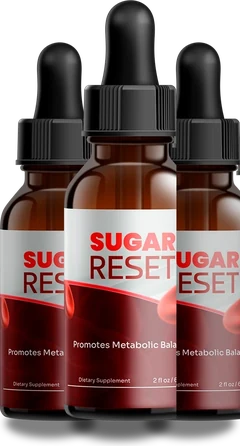
SugarReset: 60 ml dropper bottle, 60 servingsPacks of 2, 3 or 6 bottles · live total shown at checkout · 60-day guarantee per the sales page
See packsTargets07
How are targets set?
By your care team, with you, based on age, other illness, hypoglycemia risk and what you want.
A younger person with few other conditions may be given a tighter target than an older adult with several, since a tight target raises the risk of lows for some. For that reason a target on a web page, including this one, is not your target. Ask for yours and write it down, and ask when it should be reviewed.
If a product promises to bring a number to a specific value, treat the promise as a red flag. See supplement red flags.
A simple log08
How can you keep useful records?
A short, steady log is worth more than a pile of readings with no context.
| What | Why |
|---|---|
| Date, time and the reading | To see patterns |
| What you ate or did before | To explain swings |
| Medicines and supplements taken | So your clinician sees the whole picture |
| How you felt | Symptoms can matter more than the number |
| Your last A1C and its date | To anchor the log |
Bring the log, a list of medicines and the label of any supplement to every visit. If you use a sensor, bring the report or a screenshot of the summary, and say what a typical day looked like, since a clinician reads trends better than single points. If you do not test, do not feel pressure to start on your own; ask whether testing would help in your case, and how to do it. A pharmacist can also show you how to use a meter correctly, how to store the strips and how to keep a clean record.
Common mistakes09
What mistakes do people make with numbers?
They compare their numbers with a stranger's, change a medicine on one reading or treat a supplement as a fix.
- Comparing your number with a friend's: targets are personal.
- Changing medicine after one good or bad reading: let the prescriber decide.
- Taking a single A1C as the whole story: look at the pattern.
- Skipping tests because a product promises balance: the product cannot know your number.
- Reading an ad's before and after figures as proof: they are chosen.
Write down your numbers with the dates, and bring them to appointments.
Ask10
What should you ask your clinician?
Five questions turn a number into a plan.
What is my A1C, and what is my target?
Targets differ by age, health and medicines.
How often should I be tested?
Many adults are tested every few months, and some less often.
What is a low for me?
Ask for a number and a written plan.
What should I do on sick days?
Ask for a plan.
Do any of my supplements matter?
Bring the labels.
For background on the condition, see type 2 diabetes basics.
FAQ11
SugarReset questions people ask
What is a normal A1C?
Below 5.7 percent is normal for diagnosis. People treated for diabetes have personal targets.
Does SugarReset lower A1C?
We make no such claim. No study of the product exists.
Can I take an A1C at home?
Home kits exist, but a clinician should interpret results and confirm a diagnosis.
Do I need to fast for an A1C?
No.
Who wrote this12
Written and reviewed by
Pages built from the label images, seller information and linked NIH, FDA, CDC, FTC and peer-reviewed sources.
Last updated . Read our editorial standards and how we check reviews. This website is the information site for a U.S. authorized retailer of SugarReset. It is not the manufacturer or the distributor named on the label. We earn money when you buy through our order links.
Keep reading
More about SugarReset
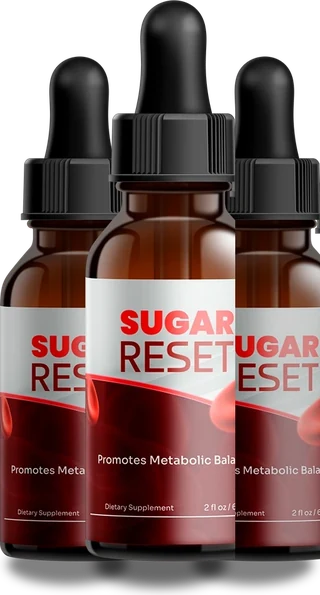
USA Authorized SugarReset Retailer
Ready to look at SugarReset?
Check your medicines first, especially any diabetes medicine, read the directions on the bottle that arrives, then pick a pack of 2, 3 or 6 bottles. The checkout shows the live total, shipping and the guarantee terms.
- Checkout runs on the seller's sales site
- 60-day guarantee, per the sales page
- Ships from the U.S.