Ingredient
Chromium Picolinate in SugarReset: 0.7 mcg and What Studies Used
Chromium picolinate is the one ingredient on the SugarReset panel with a printed amount: 0.7 mcg per 1 ml, 2% of the Daily Value. Trials of chromium used 200 to 1,000 mcg a day, hundreds of times more. Results were small and varied, and chromium may add to diabetes medicines.
Written by the SugarReset label deskUpdated
What it is01
What is chromium picolinate?
Chromium is a trace mineral the body needs in tiny amounts, and picolinate is a form in which it is bound to picolinic acid.
The NIH says chromium has a role in how the body handles carbohydrates, fat and protein, and that the amount people need is small: an adequate intake of 25 to 35 mcg a day for adult women and men up to 50, less after that, and a Daily Value of 35 mcg (NIH ODS, Chromium). Most people get what they need from food, such as meat, whole grains, some fruits and vegetables and spices.
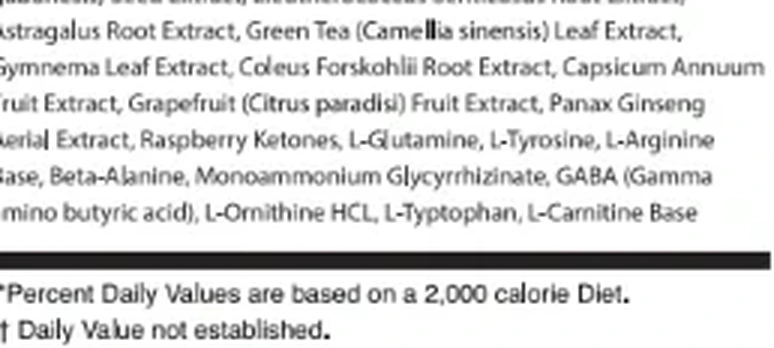
Chromium picolinate is one of several supplement forms. It is sold for carbohydrate handling, and the sales page lists it first among six names. The label prints it as “Chromium (as chromium picolinate)” on its own line, apart from the blend.
On the label02
How much chromium does SugarReset contain?
The panel prints 0.7 mcg per 1 ml serving, which is 2% of the Daily Value. Two servings would be 1.4 mcg.
| Measure | Amount | Source |
|---|---|---|
| One serving (1 ml) | 0.7 mcg | Back label |
| Two servings (2 ml) | 1.4 mcg | Arithmetic from the label |
| Daily Value | 35 mcg | NIH (NIH ODS, Chromium) |
| Adequate intake, adults | 20 to 35 mcg a day | NIH (NIH ODS, Chromium) |
| Amounts in weight trials | 200 to 1,000 mcg a day | NIH (NIH ODS, Chromium) |
At 0.7 mcg, a serving is below the daily amount the body needs and far below the trial doses. That cuts two ways. It makes a strong effect unlikely, and it also means that if someone expects the effect shown in trials, the label does not match it. We make no claim either way.
Research03
What do studies of chromium show?
The research is mixed. Some reviews of type 2 diabetes trials report small average changes, and the NIH calls the clinical meaning unclear.
A review of 28 randomized studies in adults with type 2 diabetes reported lower fasting glucose by about 19 mg/dL and lower A1C by about 0.7 percentage points on average, with very high variation between studies (Asbaghi et al. 2020). Such differences usually mean the studies cannot be summed up in one number. The authors said the results might support chromium for glycemic indices, not that it replaces treatment.
For body weight, a review of 21 trials found about 0.75 kg more loss than placebo, and the authors said the clinical relevance is uncertain (Tsang et al. 2019). The NIH's own page on diabetes and supplements lists chromium among the few with weak evidence of a possible benefit, and adds that studies differ in people, forms, doses and length so there are no clear conclusions (NCCIH, Diabetes and Dietary Supplements).
Cautions04
What are the cautions with chromium?
The main caution is for people who take diabetes medicines, because chromium may add to their effect.
If a mineral adds to the effect of insulin or a pill that lowers glucose, glucose can fall further than planned, and low glucose can be serious (NIDDK, Low Blood Glucose). The amount in SugarReset is small, but the label gives no assurance about the other 22 names, and some of them have been studied for glucose too. Treat the whole bottle as a possible addition to your medicine and ask your prescriber or pharmacist before using it.
Do not stop or lower a diabetes medicine because you started a supplement, and keep checking your glucose as your care team told you.
The NIH also notes isolated case reports of kidney and liver problems with high-dose chromium picolinate (NIH ODS, Chromium). Those were large doses, not 0.7 mcg, but they are a reason to tell a clinician if you have kidney or liver disease.
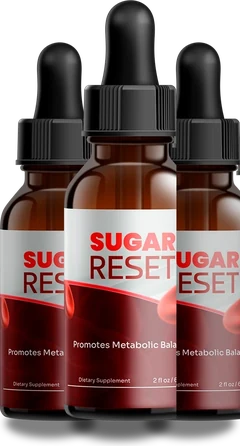
SugarReset: 60 ml dropper bottle, 60 servingsPacks of 2, 3 or 6 bottles · live total shown at checkout · 60-day guarantee per the sales page
See packsForms05
Is picolinate different from other forms of chromium?
The form changes how well the mineral is absorbed in the lab, but the NIH does not rank forms by benefit for people.
Chromium comes as chloride, nicotinate, histidinate and picolinate, and as a yeast-bound product. Picolinate is among the most sold and most studied. Trials differ in the form they use as well as in dose, which is another reason the reviews are so varied. A study that used chromium picolinate at 400 mcg cannot be copied onto a different form at a different dose.
Whatever the form, the safe approach is the same: know what you take, keep the dose within the label, and tell a clinician. If you use a multivitamin that already contains chromium, add that to your total before you add another source.
Food and habits06
Can you get chromium from food instead?
Yes. Chromium is present in many foods, and no source we read says a healthy adult on a varied diet needs a supplement.
Meat, whole grains, broccoli, grape juice and some spices contain small amounts. Because chromium deficiency is rare in healthy adults, most people do not need a supplement, and the NIH describes the evidence for supplements as mixed (NIH ODS, Chromium). A person with diabetes gets far more from steady meals, activity, sleep and prescribed treatment than from any trace mineral. See everyday habits.
If you are curious about chromium, ask a dietitian or pharmacist what your diet supplies and whether a supplement adds anything for you.
Our reading07
What does this mean for SugarReset?
Chromium is the most documented name on the panel and the least powerful, because the amount printed is tiny.
- The 0.7 mcg figure is real and printed, so it can be checked on your bottle.
- Trials used 200 to 1,000 mcg a day, so trial results do not apply to this amount.
- Chromium may add to diabetes medicines, so ask a clinician if you take any.
- No study tested the SugarReset blend, so no result can be promised.
See the ingredients page for the other names, and the claims vs evidence page for how the six phrases compare with the research.
FAQ08
SugarReset questions people ask
How much chromium is in SugarReset?
0.7 mcg per 1 ml serving, 2% of the Daily Value, as chromium picolinate.
Is 0.7 mcg enough to matter?
It is far below the 200 to 1,000 mcg a day used in trials, and below the 20 to 35 mcg adequate intake. We make no claim about effect.
Can chromium interact with diabetes medicine?
It may add to the effect of such medicines. Ask your prescriber or pharmacist first.
Who should avoid chromium supplements?
Ask a clinician first if you have kidney or liver disease, are pregnant or nursing, or take diabetes medicine.
Who wrote this09
Written and reviewed by
Pages built from the label images, seller information and linked NIH, FDA, CDC, FTC and peer-reviewed sources.
Last updated . Read our editorial standards and how we check reviews. This website is the information site for a U.S. authorized retailer of SugarReset. It is not the manufacturer or the distributor named on the label. We earn money when you buy through our order links.
Keep reading
More about SugarReset
USA Authorized SugarReset Retailer
Ready to look at SugarReset?
Check your medicines first, especially any diabetes medicine, read the directions on the bottle that arrives, then pick a pack of 2, 3 or 6 bottles. The checkout shows the live total, shipping and the guarantee terms.
- Checkout runs on the seller's sales site
- 60-day guarantee, per the sales page
- Ships from the U.S.