Ingredient
African Mango in SugarReset: Fourth in the Blend, Little Evidence
African mango, or Irvingia gabonensis, is a seed extract. SugarReset lists it fourth of 22 names in a 200 mg blend, so at most 50 mg, and prints no amount. A few small trials, mostly from one group, were judged poorly reported. There are case reports of kidney failure.
Written by the SugarReset label deskUpdated
What it is01
What is African mango?
African mango is the seed of a West and Central African tree, Irvingia gabonensis. It is not the fruit you buy as mango.
The seeds are eaten in West Africa as a ground paste used to thicken soups, and the wild fruit is part of local food. Supplement makers sell a seed extract, often under the names Irvingia or IGOB131, for weight and cholesterol. Memorial Sloan Kettering says the seed extract may support weight loss, and also that high-quality studies are needed and most existing ones are small and of poor quality (MSK, Irvingia gabonensis).
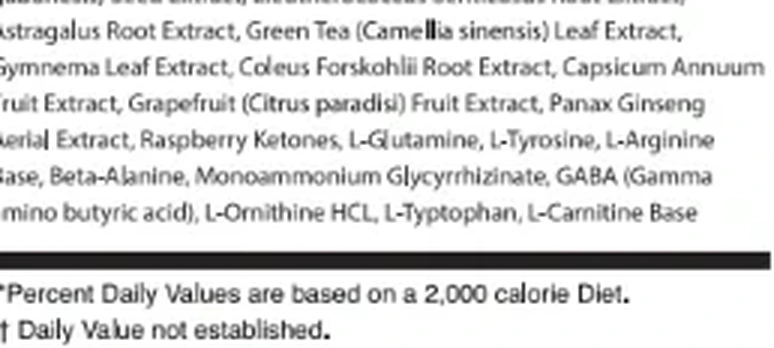
On the SugarReset label the name appears as one of 22 in the blend, and the sales page features it as one of six.
How much02
How much African mango could the blend hold?
At most 50 mg per 1 ml serving, because it is fourth of 22. The label prints no amount.
| Fact | Value |
|---|---|
| Position in the blend | 4th of 22 names |
| Blend total | 200 mg per 1 ml serving |
| Most it could weigh | 50 mg (200 divided by 4), if the list runs heaviest to lightest |
| Amount on the label | None printed |
| Best-known trial | 300 mg a day (150 mg twice daily) of one branded seed extract, 10 weeks (Ngondi et al. 2009) |
| Range in reviewed trials | 300 to 3,150 mg a day (NIH ODS, Weight Loss Supplements) |
Even at its ceiling, a serving holds a sixth of the amount used in the best-known trial, and two servings a third. The blend might hold much less than the ceiling, and the extract in the bottle may not be the same as the one in the trial.
Research03
What do trials of African mango show?
Few trials exist, and independent reviewers did not trust them.
The best-known trial enrolled 102 overweight or obese volunteers in Cameroon, who took a branded extract at 300 mg a day before meals or placebo for 10 weeks. It reported better body weight, body fat and waist size (Ngondi et al. 2009). A systematic review found only three randomized trials, all with flaws in how the methods were reported, and concluded the effects are unproven and Irvingia cannot be recommended as a weight aid (Onakpoya et al. 2013).
The NIH adds that the evidence is limited and that three of the trials came from the same authors (NIH ODS, Weight Loss Supplements). For glucose, a few animal and small human studies exist, but none of the sources we read tested African mango in a blend for glucose in people with diabetes.
Cautions04
What are the cautions?
Reported side effects include gas, headache and trouble sleeping, and there is a case report of kidney failure.
Memorial Sloan Kettering describes a case of a 42-year-old who became dependent on dialysis after about two and a half months of an African mango supplement (MSK, Irvingia gabonensis). One case does not prove cause, but it is a reason for anyone with kidney disease to ask a clinician first. MSK also notes that rat data suggest African mango may add to diabetes medicines, which is another reason to ask before use if you take them.
If you have kidney disease or take medicines that are cleared by the kidneys, ask a clinician before using any blend with African mango.
Pregnant and nursing mothers, children under 18 and people with a known medical condition should consult a physician, as the label says.
Quality05
Why does the extract matter so much?
Because the trials tested a particular branded extract, and a different extract may behave differently.
A seed extract can be made from ground seed, from a fat-reduced seed fraction or from a standardized fiber-rich fraction. The Cameroon trial used a named extract at a set dose (Ngondi et al. 2009). A bottle that lists only “African mango” could hold any of these. The SugarReset label prints no extract ratio and no source, so a buyer cannot tell which one is in it.
That is a common problem in the supplement aisle. FDA places responsibility on the company to make sure its product is safe and its label truthful, and it does not approve supplements before sale (FDA, FDA 101: Dietary Supplements). The way to close the gap is a certificate of analysis that names the extract and the amount, which a buyer is entitled to ask the seller for.
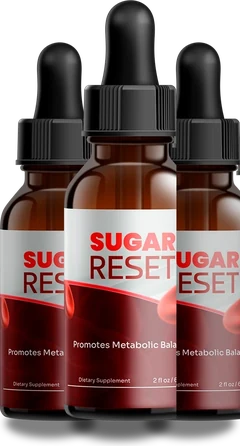
SugarReset: 60 ml dropper bottle, 60 servingsPacks of 2, 3 or 6 bottles · live total shown at checkout · 60-day guarantee per the sales page
See packsQuestions06
What should you ask a pharmacist?
Bring the bottle, the label panel and a list of your medicines, and ask four short questions.
Kidneys
Is any name in this blend a concern for my kidneys or for the medicines I take that the kidneys clear?
Diabetes medicine
Could any name add to the effect of my diabetes medicine and cause low glucose?
Overlaps
Do I already take a supplement with the same names, such as a multivitamin or a weight product?
Stopping
What signs should make me stop and call you?
Write the answers on the same page as your log, so the next clinician you see can read them.
Claims07
How does this compare with what the sales page implies?
The sales page lists a phrase about maintaining a healthy weight. That is the only place African mango's research applies, and it is weak.
A claim about weight needs strong evidence, and the FTC lists false weight claims as a common deception in supplement ads (FTC, The Truth Behind Weight Loss Ads). The sources we read describe African mango as unproven. We make no weight claim for SugarReset, and the label makes none.
If your goal is a healthier weight, a clinician or dietitian can tailor a plan. The NIH's consumer fact sheet says there is little scientific evidence that weight-loss supplements work, and that diet and activity are the proven approach (NIH ODS, Weight Loss Supplements).
Our reading08
What does this mean for SugarReset?
African mango is a minor, weakly supported part of the blend with a rare but serious case report attached.
- At most 50 mg per serving, no amount printed.
- The trials were few, small and mostly from one group.
- A case report of kidney failure means kidney patients should ask first.
- No study tested SugarReset.
Next, read about green tea or return to the ingredients page.
FAQ09
SugarReset questions people ask
How much African mango is in SugarReset?
The label does not print it. It is fourth of 22 names, so at most 50 mg of the 200 mg blend.
Does African mango work?
Evidence is limited and judged poor in quality. We make no claim for SugarReset.
Is African mango safe for the kidneys?
A case report links it with kidney failure. People with kidney disease should ask a clinician.
Is it the same as the mango fruit?
No. It is the seed of a different tree, Irvingia gabonensis.
Who wrote this10
Written and reviewed by
Pages built from the label images, seller information and linked NIH, FDA, CDC, FTC and peer-reviewed sources.
Last updated . Read our editorial standards and how we check reviews. This website is the information site for a U.S. authorized retailer of SugarReset. It is not the manufacturer or the distributor named on the label. We earn money when you buy through our order links.
Keep reading
More about SugarReset
USA Authorized SugarReset Retailer
Ready to look at SugarReset?
Check your medicines first, especially any diabetes medicine, read the directions on the bottle that arrives, then pick a pack of 2, 3 or 6 bottles. The checkout shows the live total, shipping and the guarantee terms.
- Checkout runs on the seller's sales site
- 60-day guarantee, per the sales page
- Ships from the U.S.